Logo Logo Logo
  • Home
  • Facility Rentals
  • About
    • The Watercraft Center
    • NC Maritime Museums
      • Beaufort
      • Hatteras
      • Southport
    • Friends of the Museum
    • Beaufort, NC
    • Local Lodging
    • Custom boat raffle
  • Courses Offered
  • Model Society
    • About
    • Model Shop
    • Join the Carolina Maritime Model Society
  • Volunteer
  • Wooden Boat Show
  • Directions
  • Contact Us
Logo Logo Logo Logo Logo
  • Home
  • Facility Rentals
  • About
    • The Watercraft Center
    • NC Maritime Museums
      • Beaufort
      • Hatteras
      • Southport
    • Friends of the Museum
    • Beaufort, NC
    • Local Lodging
    • Custom boat raffle
  • Courses Offered
  • Model Society
    • About
    • Model Shop
    • Join the Carolina Maritime Model Society
  • Volunteer
  • Wooden Boat Show
  • Directions
  • Contact Us

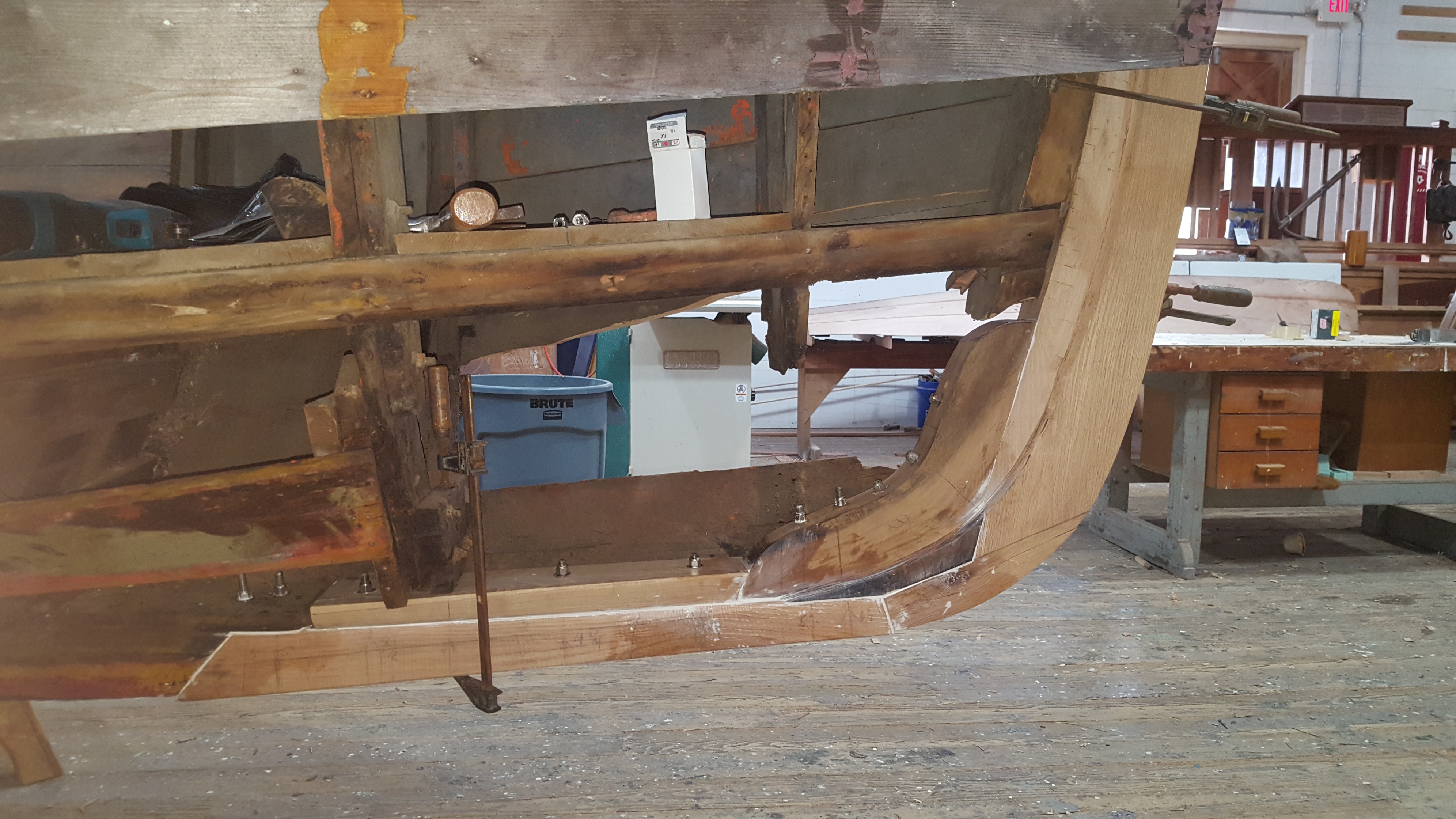
15 Feb 20181111_130039_resized_1

Posted at 16:59h in by NCMM Staff
0 Likes


Facebook Feed
North Carolina Maritime Museum in Beaufort

2 days ago

North Carolina Maritime Museum in Beaufort
Today we honor Michael J. Smith, the pilot of Space Shuttle Challenger, and the rest of the crew killed in the 1986 explosion.On January 28, 1986, the Space Shuttle Challenger exploded just 73 seconds after its 11:38 a.m. launch from Kennedy Space Center in Florida. The seven crew members, including the pilot, U.S. Navy Captain Michael John Smith of Beaufort, North Carolina, died in the disaster. Investigators later determined that cold weather caused a seal in the craft’s right solid rocket booster to fail, allowing pressurized hot gas from the solid rocket motor to reach the external fuel tank. The spacecraft broke apart and disintegrated in a plume of white smoke over the Atlantic Ocean.The fatal mission (Flight STS-51L), which was to have deployed two satellites into orbit, received much media attention because it marked the first time a civilian, high school teacher Christa McAuliffe, was allowed to travel in space. After the disaster, NASA suspended shuttle flights for two years. The Challenger’s remains were recovered from the ocean floor nearly two months after the explosion. Captain Smith was buried in Arlington National Cemetery on May 3, 1986. There is a monument to Smith on the waterfront in Beaufort and the town’s Michael J. Smith Airport is named in his honor.Marker located in Beaufort, NC: www.dncr.nc.gov/blog/2023/12/08/michael-j-smith-1945-1986-c-87 ... See MoreSee Less
View on Facebook
· Share

Share on Facebook Share on Twitter Share on Linked In Share by Email

North Carolina Maritime Museum in Beaufort

3 days ago

North Carolina Maritime Museum in Beaufort
An update on our reopening:Due to the weather forecast and the potential for unsafe travel, we’ve made the difficult decision to postpone our reopening to February 21. This new date allows us to celebrate safely—and together—with the staff, volunteers, and partners who helped make this reopening possible. Thank you for your understanding. We can’t wait to welcome you back very soon. ... See MoreSee Less
View on Facebook
· Share

Share on Facebook Share on Twitter Share on Linked In Share by Email

North Carolina Maritime Museum in Beaufort

5 days ago

North Carolina Maritime Museum in Beaufort
Due to heavy drift ice off the coast of North Carolina, on January 25, 1904, the Revenue Cutter “Boutwell” assisted the stranded Baltimore Schooner “Cherubim.” The Baltimore Schooner “Cherubim” stranded in Pamlico Sound on Bush Shoal about 2.5 miles west of the U.S. Life Saving Station. Surfmen broke through ice to get to the vessel, but nothing could be done until the schooner was lightened by the removal of its cargo of oysters. Eventually station crew were able to pull the bow of the “Cherubim” around and, with assistance from the “Boutwell,” haul the schooner afloat. The vessel was then towed by “Boutwell” to New Bern. The Revenue Cutter “Boutwell” was an iron-hulled vessel that was fitted with an engine in which the two cylinders could operate independently or together as a compound engine. The “Boutwell” was constructed for the southern coast where the ship spent the majority of its working life. Image: USRC Boutwell with black hull, July 12, 1892. (Image courtesy United States Coast Guard). Image: USRC Boutwell with white hull, no date. (Image courtesy United States Coast Guard). ... See MoreSee Less
View on Facebook
· Share

Share on Facebook Share on Twitter Share on Linked In Share by Email

North Carolina Maritime Museum in Beaufort

6 days ago

North Carolina Maritime Museum in Beaufort
BRB, signing up for Pony Patrol! 🔭🐎📢Volunteers needed for 2026 Pony Patrol. Volunteers work three to four-hour shifts at least three times per month, walking the islands and talking with visitors about how to best experience the beauty and natural behavior of the horses at the Rachel Carson Reserve and/or Shackleford Banks. Candidates must be at least 18 years old, a US citizen/permanent resident, and be physically able to walk the islands in a dynamic setting, consisting of sandy terrain, extreme sun, heat, humidity, wind, and buggy environments. Securing a position is competitive, as there are limited spots available. The application period closes on February 23, 2026. Apply to be a Pony Patrol volunteer at: tinyurl.com/PonyPatrol2026Foundation for Shackleford Horses / Cape Lookout National Seashore ... See MoreSee Less
View on Facebook
· Share

Share on Facebook Share on Twitter Share on Linked In Share by Email

North Carolina Maritime Museum in Beaufort

7 days ago

North Carolina Maritime Museum in Beaufort
Fish Friday!Using only his clam rake in 1920 David Willis reported catching a total of 60 pounds of speckled trout! A 1920 Carteret News-Times article reports that while originally hunting for clams, Willis caught a total of 15 fish, weighing a total of 60 pounds that he was able to sell for $9.60, when adjusted for inflation approximately $155.58 today. Willis reported that one of the trout he caught weighed 8 ½ pounds, impressive considering these fish average closer to 3-4 pounds today. Spotted seatrout, on average, are 15 to 25 inches in length and 2 to 4 pounds, but they grow to as large as 40 inches and 12 pounds. Image: Article from “The Beaufort News” March 4, 1920. (Image courtesy Digital NC and Carteret County Public Libraries). Image: Spotted seatrout fish. (Image courtesy U.S. Fish and Wildlife Service). ... See MoreSee Less
View on Facebook
· Share

Share on Facebook Share on Twitter Share on Linked In Share by Email

THE HARVEY W. SMITH WATERCRAFT CENTER

322 Front St.

Beaufort, NC 28516

Hours:

Monday-Saturday • 10 a.m. - 5 p.m.
Sunday • Noon - 5 p.m.

Sponsored By

Beaufort-Horizontal-PNG

Copyright © North Carolina Maritime Museum
Project Management by Z Digital Studio