Logo Logo Logo
  • Home
  • Facility Rentals
  • About
    • The Watercraft Center
    • NC Maritime Museums
      • Beaufort
      • Hatteras
      • Southport
    • Friends of the Museum
    • Beaufort, NC
    • Local Lodging
  • Courses Offered
  • Carolina Maritime Model Society
  • Volunteer
  • Wooden Boat Show
  • Contact
  • Directions
Logo Logo Logo Logo Logo
  • Home
  • Facility Rentals
  • About
    • The Watercraft Center
    • NC Maritime Museums
      • Beaufort
      • Hatteras
      • Southport
    • Friends of the Museum
    • Beaufort, NC
    • Local Lodging
  • Courses Offered
  • Carolina Maritime Model Society
  • Volunteer
  • Wooden Boat Show
  • Contact
  • Directions

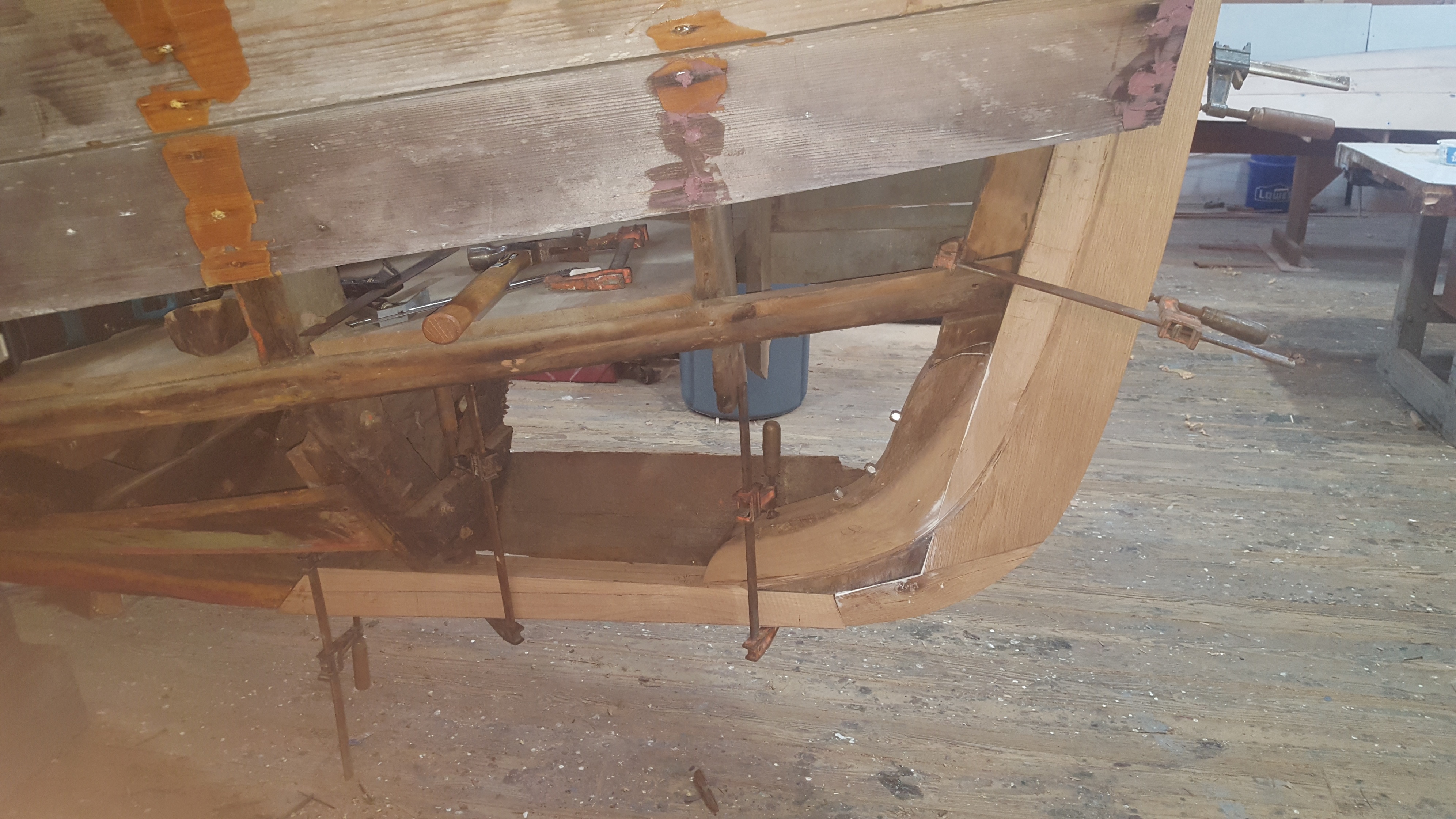
15 Feb 20181110_150500_resized_1

Posted at 16:58h in by NCMM Staff
0 Likes


Facebook Feed
North Carolina Maritime Museum at Beaufort

3 hours ago

North Carolina Maritime Museum at Beaufort
On Sept. 14, 1957, Raleigh angler Jimmy Croy, fishing aboard the boat "Mary Z" with Capt. K.W. “Bill” Olsen, landed a 143-pound blue marlin during a contest initiated by the Fabulous Fishermen club. Prize money of a couple hundred dollars was presented to the crew. Eventually what started as an effort to promote charter boat fishing in the area ended up becoming one of the biggest fishing competitions in the country: the Big Rock Blue Marlin Tournament. Have you ever fished Big Rock or gone to the Morehead City waterfront to watch the weigh-ins? Share your pictures and tell us your stories in the comments! Image: Jimmy Croy and Capt. K.W. “Bill” Olsen, September 14, 1957. (Image courtesy Big Rock Fishing Tournament). ... See MoreSee Less
View on Facebook
· Share

Share on Facebook Share on Twitter Share on Linked In Share by Email

North Carolina Maritime Museum at Beaufort

1 day ago

North Carolina Maritime Museum at Beaufort
Initial reports on September 15, 1884, claimed that five crew members were lost when the Mexican steamer “Dos Hermanos,” traveling from Philadelphia to Mexico, sank off Frying Pan Shoals September 13. But a positive update followed when on September 16, “The Evening News” in Washington, D.C. reported that three of the five men believed dead, including the captain, had actually been rescued by the life‑saving crew at Smithville (now Southport), NC. Only two engineers remained unaccounted for. Image: Screen shot of article published in The Evening News, Washington D.C. September 16, 1884. (Image courtesy Library of Congress). ... See MoreSee Less
View on Facebook
· Share

Share on Facebook Share on Twitter Share on Linked In Share by Email

North Carolina Maritime Museum at Beaufort

3 days ago

North Carolina Maritime Museum at Beaufort
Tarpon are massive fish! They can grow over 8 feet long and weigh more than 350 pounds, with dark backs and bright silver sides. They roam bays, mangroves, and even freshwater, gulping air when they need extra oxygen. Famous for their powerful fights, they’re heavily regulated and not kept for eating. Because they’re so strong, tarpon have been known to accidentally injure anglers, especially during release. Video: Tarpon at the NC Aquarium at Pine Knolls Aquarium. ... See MoreSee Less
View on Facebook
· Share

Share on Facebook Share on Twitter Share on Linked In Share by Email

North Carolina Maritime Museum at Beaufort

5 days ago

North Carolina Maritime Museum at Beaufort
Mailed on September 9, 1912, from Beaufort, NC, this vintage postcard shows a snapshot of the local commercial fishing industry titled “Unloading Fertilizer Fish, Beaufort, N.C.” Though the postcard doesn’t name the species, it most likely shows menhaden, silvery fish with a black shoulder spot that have long been essential to Atlantic coastal ecosystems and industry. Menhaden filter the water by feeding on phytoplankton and zooplankton, and for decades they fueled one of North Carolina’s most important fisheries. Image: Postcard from the museum’s collection. Source: NC Maritime Museum at Beaufort’s Menhaden Exhibit. ... See MoreSee Less
View on Facebook
· Share

Share on Facebook Share on Twitter Share on Linked In Share by Email

North Carolina Maritime Museum at Beaufort

6 days ago

North Carolina Maritime Museum at Beaufort
On September 7, 1846, a powerful hurricane opened both Hatteras and Oregon inlets on the Outer Banks. Oregon Inlet has shifted about 2 miles since then and remains a challenging, ever‑changing passage for commercial and recreational vessels. The Army Corps of Engineers has dredged it since 1960, and the Coast Guard maintains navigation aids to keep boats moving safely. Hatteras Inlet, captured by Union forces in 1861, is now crossed by a state‑run ferry. Regular ferry service across Oregon Inlet came to an end after the Herbert C. Bonner bridge was built in 1963. Images: Oregon Inlet Ferry on Hatteras Island, NC, December 1952. (Image courtesy NC State Archives). Images: Oregon Inlet ferry, 1951. (Image courtesy NC State Archives). Image: Catch of Amberjack made in Gulf Stream near Oregon Inlet, 1951. (Image courtesy NC State Archive) ... See MoreSee Less
View on Facebook
· Share

Share on Facebook Share on Twitter Share on Linked In Share by Email

THE HARVEY W. SMITH WATERCRAFT CENTER

322 Front St.

Beaufort, NC 28516

Hours:

Monday-Saturday • 10 a.m. - 5 p.m.
Sunday • Noon - 5 p.m.

Sponsored By

Beaufort-Horizontal-PNG

Copyright © North Carolina Maritime Museum
Project Management by Z Digital Studio