Logo Logo Logo
  • Home
  • Facility Rentals
  • About
    • The Watercraft Center
    • NC Maritime Museums
      • Beaufort
      • Hatteras
      • Southport
    • Friends of the Museum
    • Beaufort, NC
    • Local Lodging
    • Custom boat raffle
  • Courses Offered
  • Model Society
    • About
    • Model Shop
    • Join the Carolina Maritime Model Society
  • Volunteer
  • Wooden Boat Show
  • Directions
  • Contact Us
Logo Logo Logo Logo Logo
  • Home
  • Facility Rentals
  • About
    • The Watercraft Center
    • NC Maritime Museums
      • Beaufort
      • Hatteras
      • Southport
    • Friends of the Museum
    • Beaufort, NC
    • Local Lodging
    • Custom boat raffle
  • Courses Offered
  • Model Society
    • About
    • Model Shop
    • Join the Carolina Maritime Model Society
  • Volunteer
  • Wooden Boat Show
  • Directions
  • Contact Us

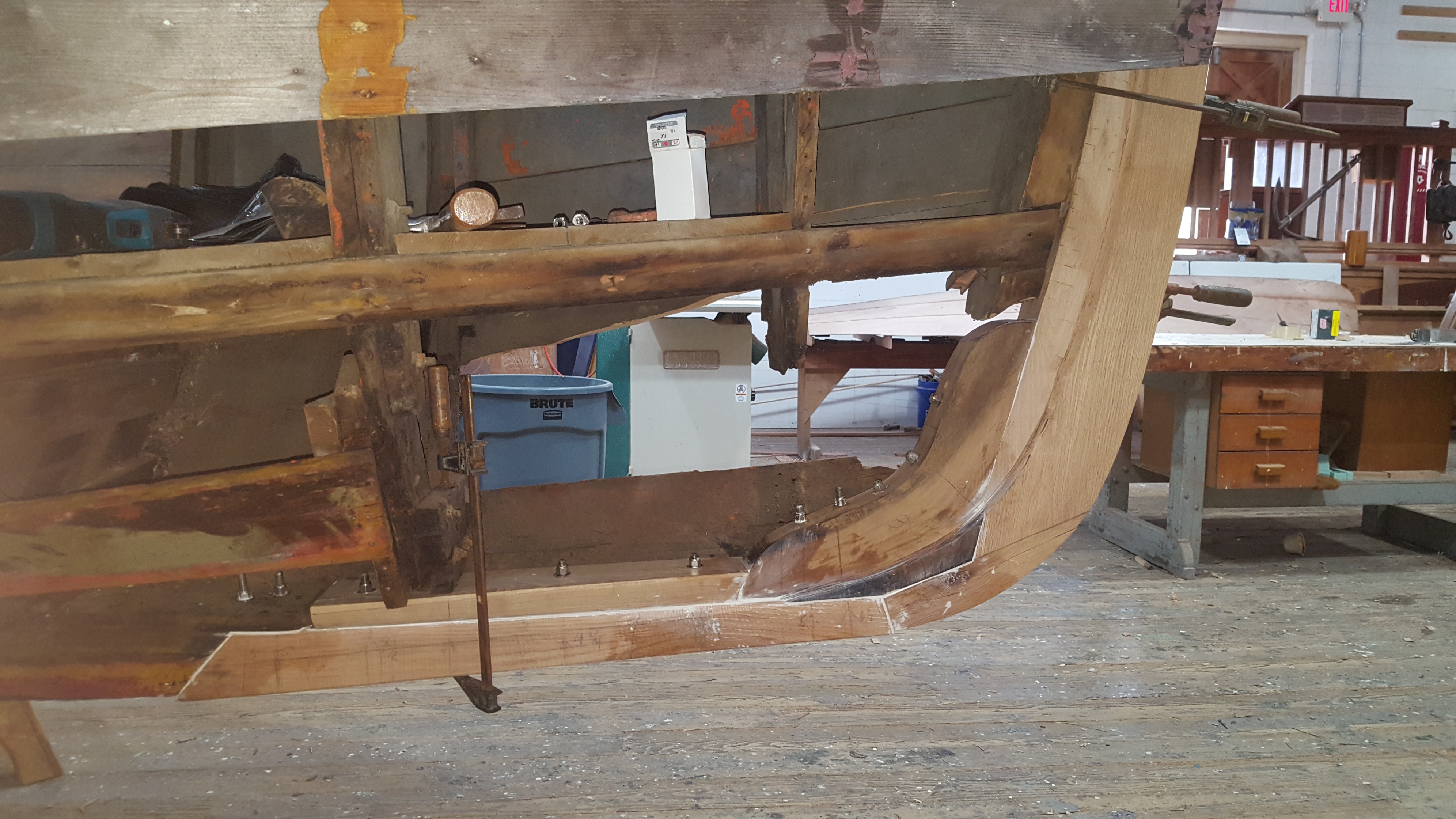
15 Feb 20181111_130039_resized_1

Posted at 16:59h in by NCMM Staff
0 Likes


Facebook Feed
North Carolina Maritime Museum in Beaufort

9 hours ago

North Carolina Maritime Museum in Beaufort
Post Edited to correct Image CreditFish FridayOne of the most iconic symbols of this holiday season, a star, is also found in the ocean, the starfish. Fun fact, though commonly identified as a fish, the starfish is not actually a fish. More accurately called a sea star, there are over 2,000 species found throughout the world’s oceans, 33 of which can be found in North Carolina’s waters, none of which have gills, scales, or fins that would classify them as fish. The sea star is more closely related to sand dollars, sea urchins, and sea cucumbers, all of which are echinoderms, meaning they have radial symmetry.Sea stars live only in saltwater. Sea water, instead of blood, is used to pump nutrients through their bodies via a 'water vascular system.'They move by using tiny tube feet located on the underside of their bodies. Though many sea stars have five arms, this is not true for all species. Some sea star species have 10, 20, or even 40 arms! Image: Sea Stars. (Images courtesy Jillian Daly). ... See MoreSee Less
View on Facebook
· Share

Share on Facebook Share on Twitter Share on Linked In Share by Email

North Carolina Maritime Museum in Beaufort

1 day ago

North Carolina Maritime Museum in Beaufort
On December 18, 1942, at roughly 1:40 a.m., menhaden trawler “Parkins” sank off Atlantic Beach in heavy seas. “Parkins” began taking on water earlier that night during a storm, and its pumps could not keep up. A U.S. Coast Guard lifeboat from Station Ft. Macon responded and found the crew safe in the trawler’s purse boat and mate boat, the mate towing the purse as the latter had a dead engine. The Coast Guard vessel began towing both boats; but the mate boat, second in the line of vessels, capsized, throwing everyone aboard into the cold water. The purse boat, the last in the tow line, cut itself free from the overturned vessel and went adrift since it had no working engine. The purse boat would capsize as well when it hit the breakers at Shackleford Banks. In all, 18 men lost their lives and seven were rescued. Image: Name plate of the sunken trawler “Parkins.” (Part of the NC Maritime Museum in Beaufort’s collection). ... See MoreSee Less
View on Facebook
· Share

Share on Facebook Share on Twitter Share on Linked In Share by Email

North Carolina Maritime Museum in Beaufort

2 days ago

North Carolina Maritime Museum in Beaufort
On December 17, 1903, Orville and Wilbur Wright successfully flew their powered aircraft for the first time at Kitty Hawk on the Outer Banks. The longest flight of the day by Orville measured 852 feet and lasted almost a minute. The site at Kitty Hawk was chosen purposefully for the steady and reliable winds of the North Carolina coast that would help the Wright brothers achieve their flights. Image: Model of Wright brothers’ plane. (Image courtesy NC State Archives). Image: Close-up view of the Wright brothers' camp at Kitty Hawk, North Carolina. (Image courtesy Library of Congress). Image: Distant view of the Wright brothers' camp at Kitty Hawk, North Carolina. (Image courtesy Library of Congress). ... See MoreSee Less
View on Facebook
· Share

Share on Facebook Share on Twitter Share on Linked In Share by Email

North Carolina Maritime Museum in Beaufort

4 days ago

North Carolina Maritime Museum in Beaufort
On December 15, 1836, Confederate spy Emeline Pigott was born in Carteret County, North Carolina. As an adult Pigott would be arrested in 1865 for treason against the United States for smuggling materials for the Confederacy. When arrested it was discovered that Pigott had concealed 30 POUNDS of contraband in specially made pockets in her skirts. The contents of her pockets were said to include one pair of boots, two pairs of pants, a shirt, a cap, a dozen linen collars, 12 handkerchiefs, 50 skeins of wool, needles, multiple spools of thread, toothbrushes, hair combs, pocket knives, several pairs of gloves, razors, candy, and letters that she destroyed before they could be read. Despite the contents of her pockets, Pigott was never convicted and was later released. Image: Emeline Pigott. (Image courtesy NC State Archives). ... See MoreSee Less
View on Facebook
· Share

Share on Facebook Share on Twitter Share on Linked In Share by Email

North Carolina Maritime Museum in Beaufort is at Harvey W. Smith Watercraft Center.

5 days ago

North Carolina Maritime Museum in Beaufort
All aboard for the last day of this year's John Costlow Christmas Train Show! The Beaufort NC Lions Club event will be set up in the Harvey W. Smith Watercraft Center until 4 today. Admission is free. ... See MoreSee Less
View on Facebook
· Share

Share on Facebook Share on Twitter Share on Linked In Share by Email

THE HARVEY W. SMITH WATERCRAFT CENTER

322 Front St.

Beaufort, NC 28516

Hours:

Monday-Saturday • 10 a.m. - 5 p.m.
Sunday • Noon - 5 p.m.

Sponsored By

Beaufort-Horizontal-PNG

Copyright © North Carolina Maritime Museum
Project Management by Z Digital Studio